

Bisa Baik Bersama Bisa Baik Bersama
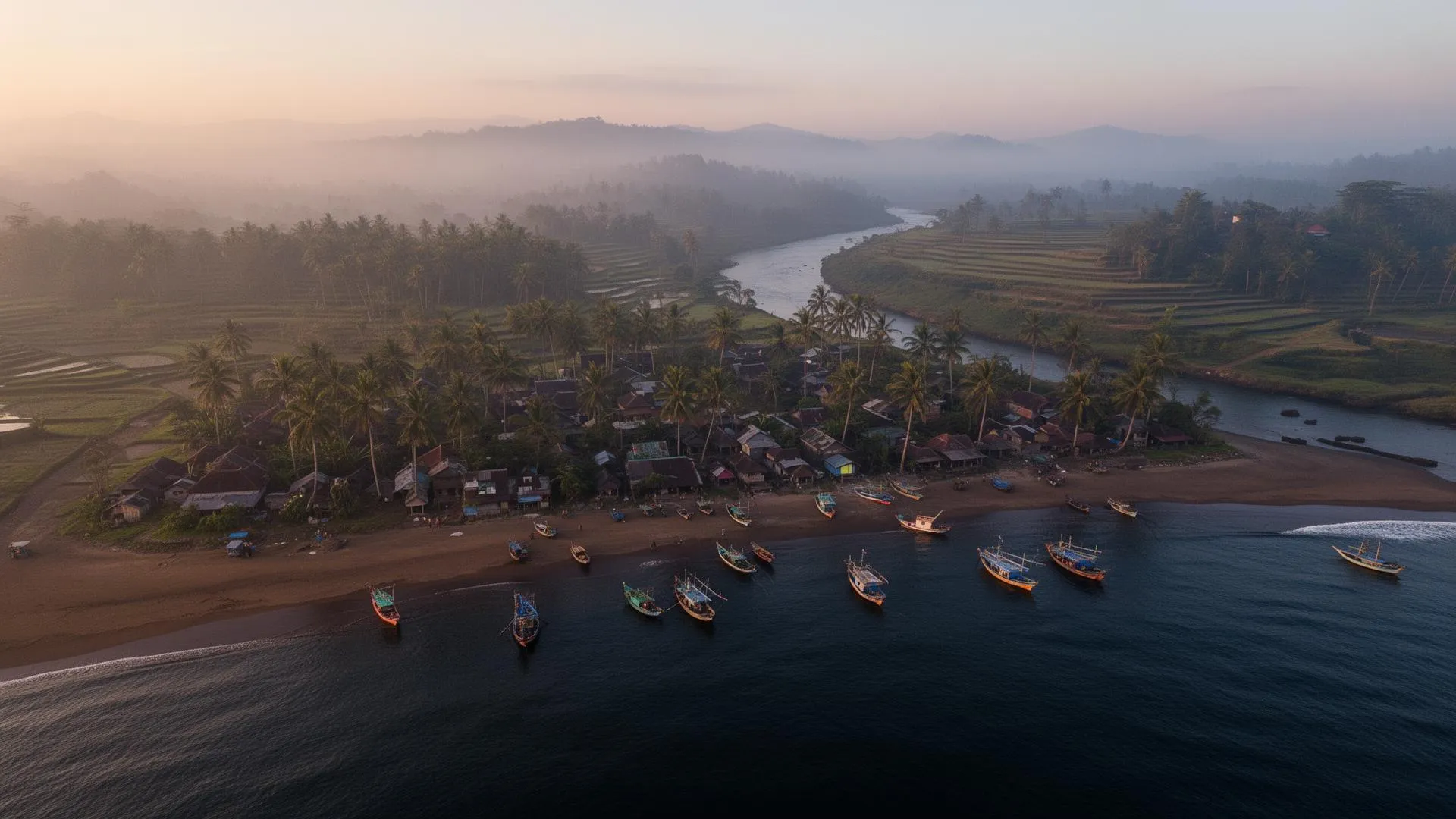
Aerial view of an Indonesian coastal village at dawn.

Presence across communities. Continuity across markets.

Our impact is read in the discipline of delivery, the integrity of exit, and whether livelihoods are still earning after we leave. Below: where we work, what we contribute to, and how we judge whether it held.

Working across Indonesia, with reach into Türkiye.

Western Indonesia

  • Jakarta
  • Banten
  • West Java
  • Lampung
  • South Sumatra

Central Indonesia

  • Central Java
  • Yogyakarta
  • East Java
  • Bali
  • NTB

Eastern Indonesia

  • NTT
  • South Sulawesi
  • Maluku

International

  • Türkiye
  • Adıyaman and Hatay
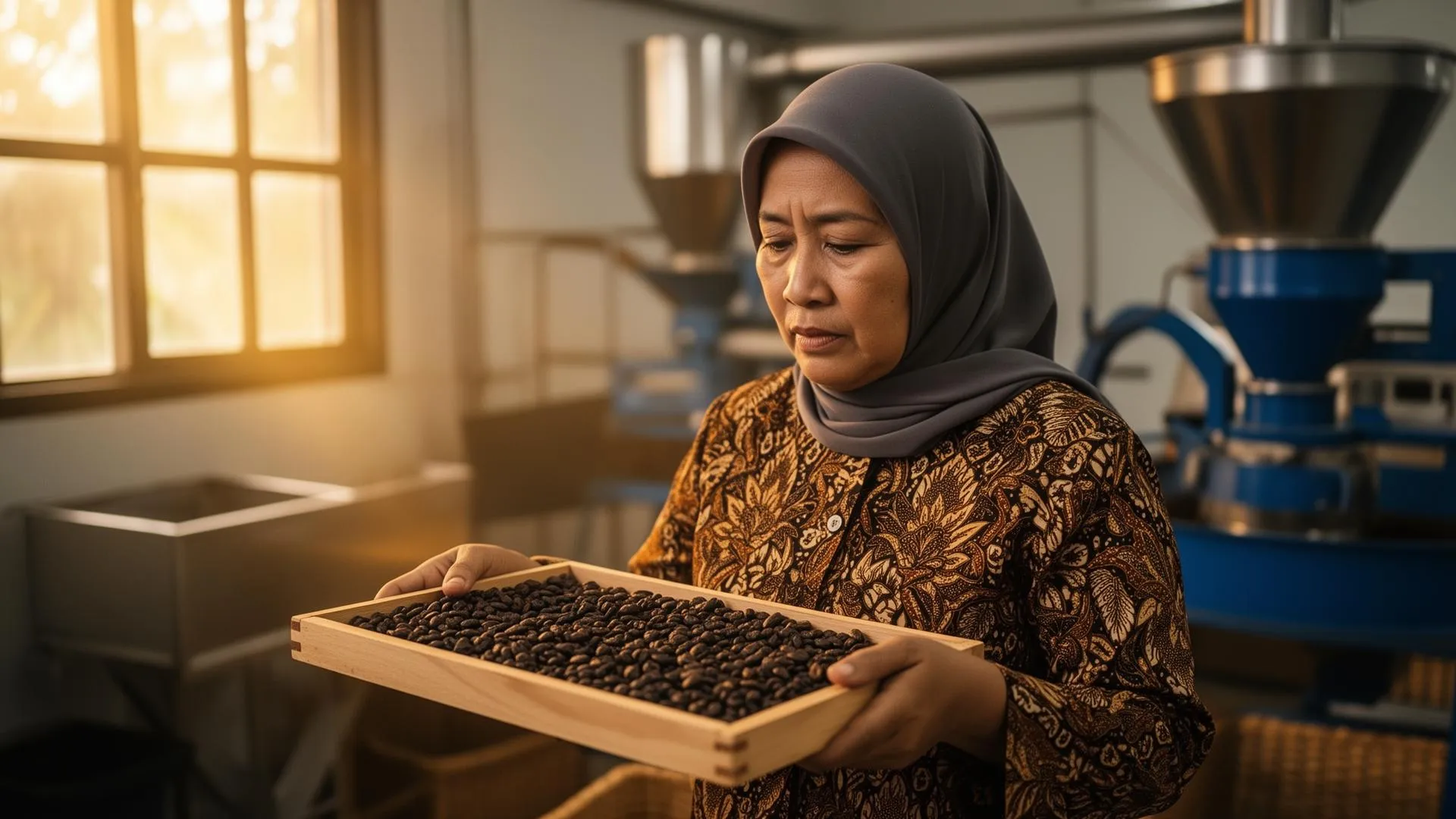
An Indonesian MSME entrepreneur preparing premium coffee beans for market.

Impact endures when markets keep paying.

Behind every flagship is a network of MSME producers, cooperatives and community institutions earning income from the same systems we helped build. That continuity is our working definition of impact.

Anchored in SDG 8 and SDG 12.

Our approach is grounded in two development challenges we can actually move: post-program economic continuity, and responsible resource management.

8

SDG 8

Decent Work and Economic Growth

Strengthening post-program livelihoods through UMKM, youth engagement and market access.

  • 8.2 Improving economic productivity through UMKM diversification, upgrading and market readiness.
  • 8.3 Strengthening entrepreneurship and MSME growth through implementation support and market access.
  • 8.6 Engaging youth in productive economic activity through community-based enterprises.
  • 8.9 Supporting community-based local economies linked to culture and local products.
  • 8.a Expanding domestic and export market access as part of post-program sustainability and Aid for Trade pathways.
12

SDG 12

Responsible Consumption and Production

Embedding community-based circular economy practice to reduce waste and improve resource efficiency.

  • 12.2 Promoting efficient resource use through circular economy and waste management systems.
  • 12.3 Reducing food loss and waste within community and local supply chain contexts.
  • 12.5 Substantially reducing waste generation through prevention, reduction, recycling and reuse.
  • 12.8 Building community awareness and capability for sustainable consumption and production.

Signals over slogans.

Delivery quality

Execution discipline, read through milestones met, accountability kept and risks actually closed.

Transition readiness

Local institutional, governance and leadership strength measured at the point of exit.

Post-program continuity

Market access, livelihoods and operational sustainability after the grant period has ended.