


A framework that treats exit as a phase, not an event.
Every engagement moves through three reinforcing phases. Implementation, exit and sustainability are planned together, because in practice they never separate cleanly.
Co-design, co-create, co-sustain.
-
I
Phase I
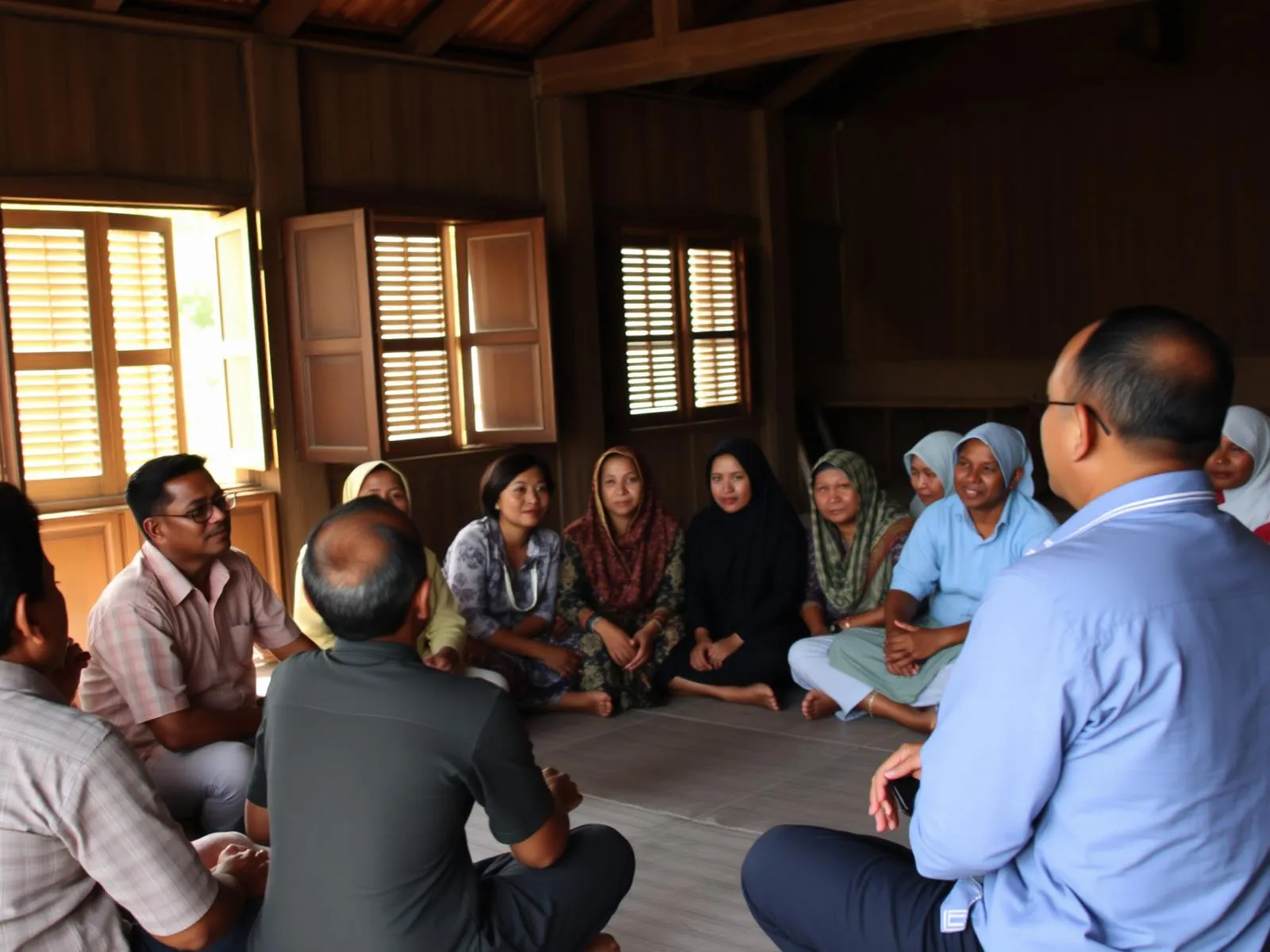
Co-design for delivery and exit
Designing programs that are implementable, accountable and exit-aware.
- Alignment on program objectives and exit expectations
- Implementation planning and exit pathway design
- Social, operational and institutional risk mapping
- Identification of local capacities and long-term roles
-
II
Phase II
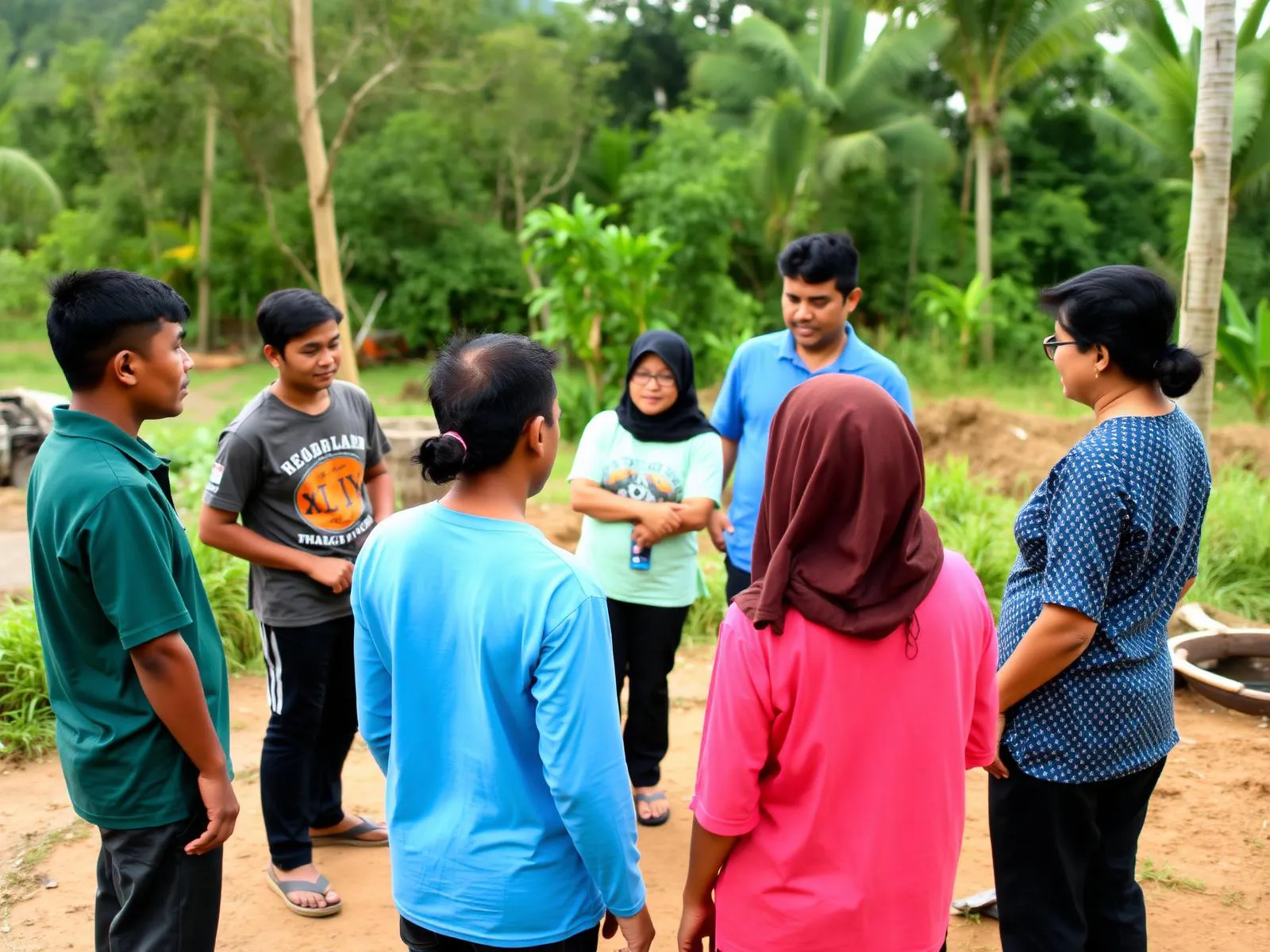
Co-create through accountable delivery
Delivering with monitoring, learning and operational discipline.
- Adaptive program execution with clear milestones
- Monitoring, accountability and adaptive learning
- Preparation of local systems, leadership and governance
- Risk-aware adjustments grounded in field realities
-
III
Phase III
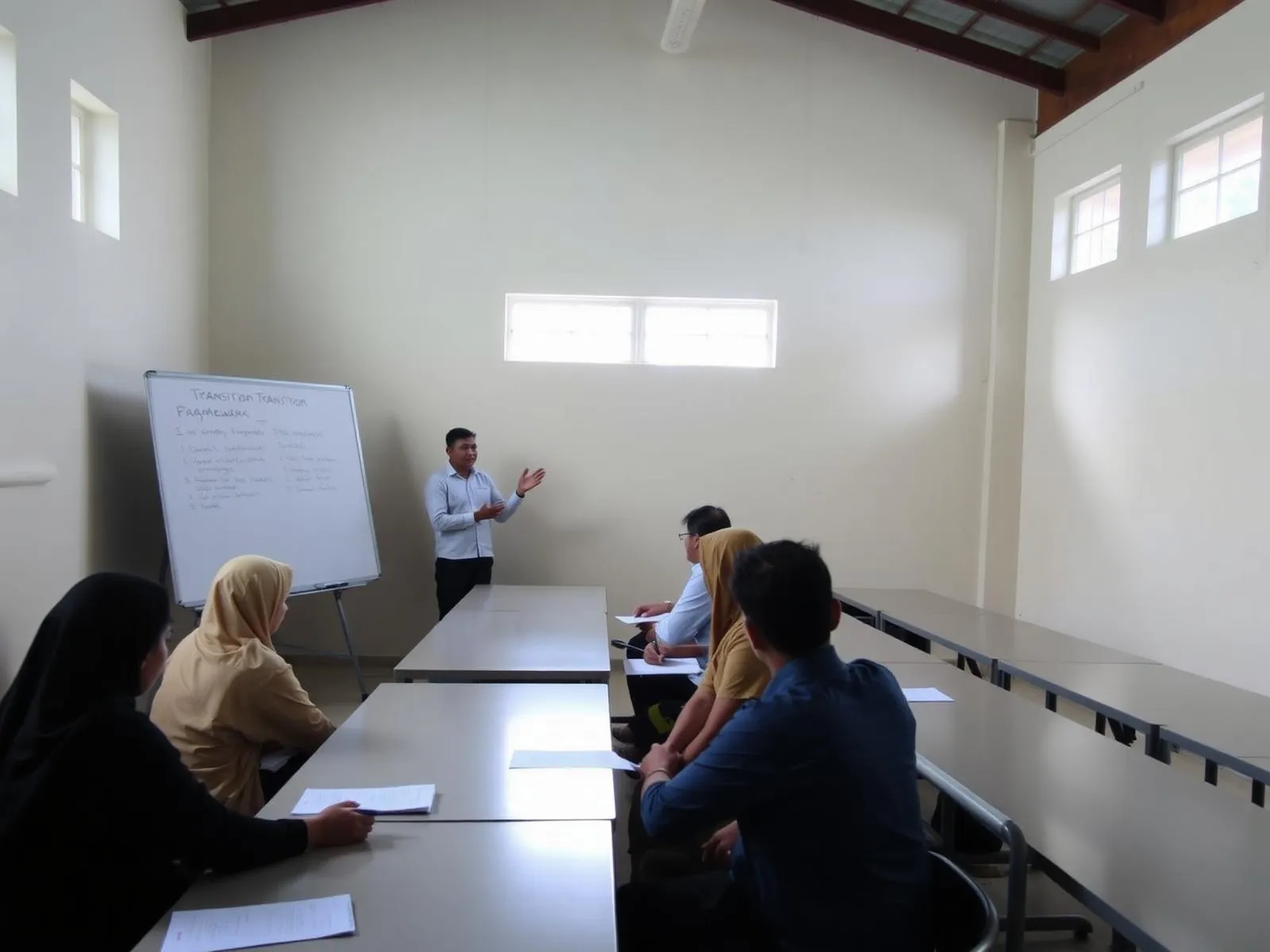
Co-sustain with responsible exit
Extending impact through systems, markets and partnerships.
- Exit readiness assessment using the Exit Forward Model
- Transfer of roles and ownership to local actors
- Integration into market mechanisms and livelihoods
- Limited post-exit check-ins and learning capture
Discipline that stays responsive to what the field is doing.
Development programs are complex, and exit is where that complexity shows up most. A risk-aware approach is what keeps a program relevant and accountable through delivery and transition.
- Social and contextual
- Community dynamics, power relations and local acceptance.
- Operational and implementation
- Partner capacity, field coordination and execution consistency.
- Sustainability and exit
- Institutional readiness, local ownership and post-program dependency.
- Reputational and accountability
- Compliance, transparency and clarity of roles.
How we manage it
- Early risk identification during design and initial execution
- Continuous monitoring and adaptive adjustment
- Learning folded back into delivery and exit decisions
- Accountable documentation and reporting
Three principles that reinforce each other.
Community-centered
Starting from the needs, values and real dynamics of the community. The community is a subject of change, not its object.
Data-driven
Decisions driven by baseline studies, continuous monitoring, in-depth evaluation and systematic reflection.
Risk-aware
Every stage managed inside a social and operational risk management framework, not an informal judgement call.