

Bisa Baik Bersama Bisa Baik Bersama
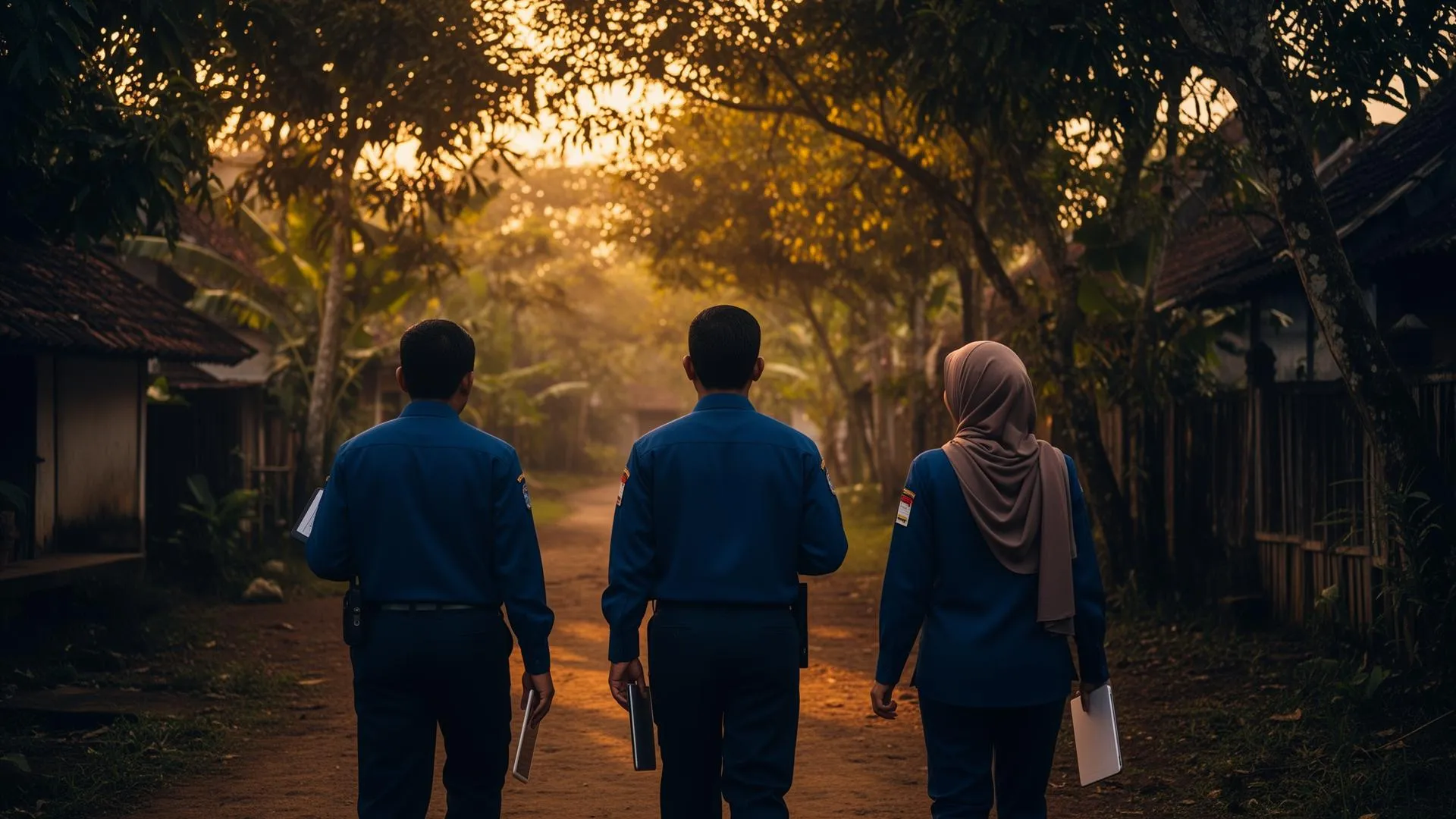
BisaBaik field operations team walking a rural village pathway.

Practice platforms where exit becomes extension.

Our flagships are not pilots. They are operating models where method, partnership and post-program viability keep being refined against real conditions.

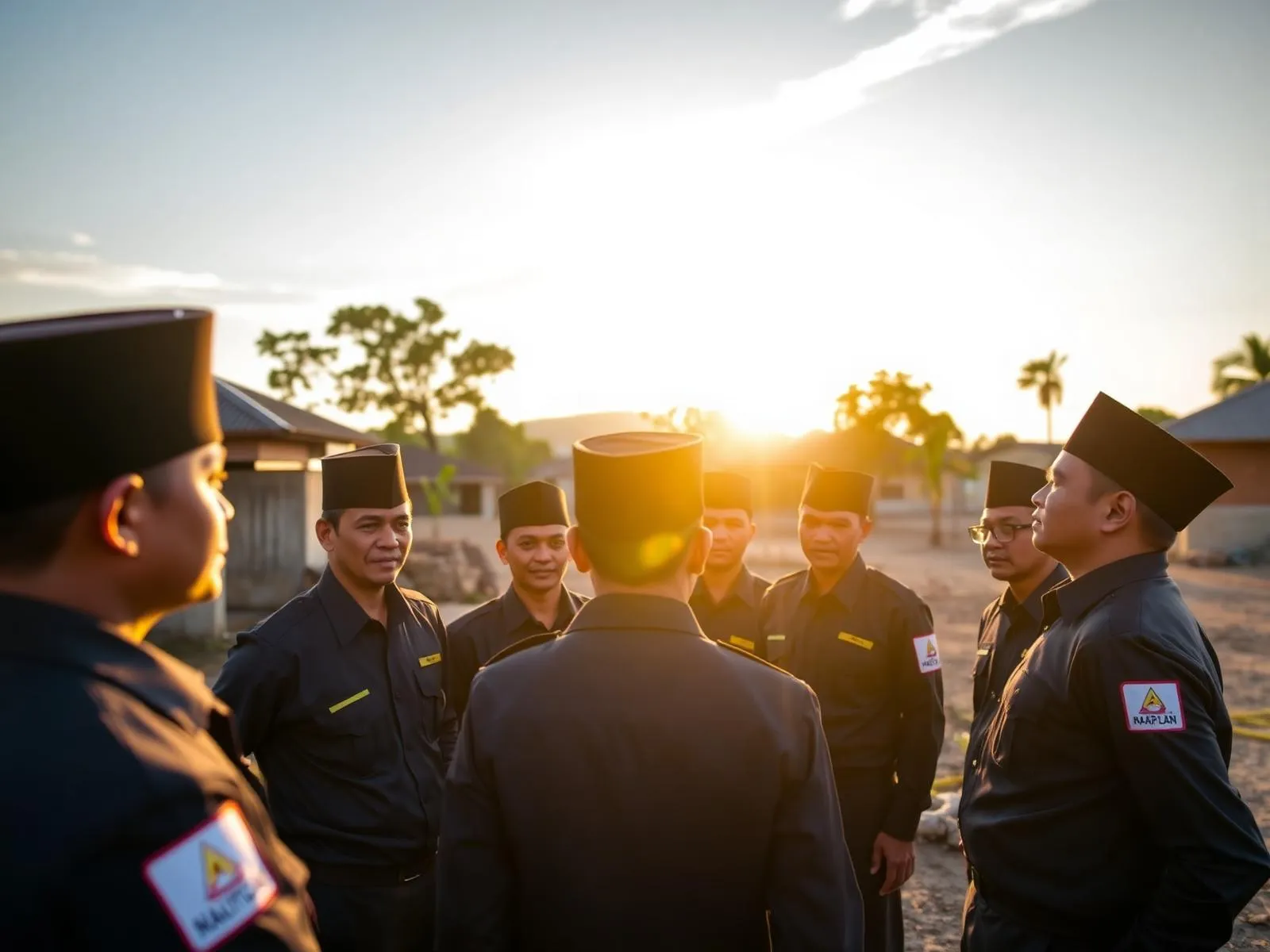
BisaBaik field team reviewing exit and transition plans on site.

Exit Forward Model

A responsible exit and transition model.

Our signature model, supporting philanthropic institutions to design and then actually run a responsible exit. It covers the transition of local ownership and the extension of impact through domestic and export market access for UMKM beneficiaries.

  1. 01

    Traditional program end

    Without a transition strategy, UMKMs revert to dependency once support is withdrawn.

    Economically vulnerable

  2. 02

    Exit Forward intervention

    Exit designed from the beginning. Phased withdrawal, local governance strengthening, post-program capacity development, and time-bound mentoring.

    PasarBaik aggregator

  3. 03

    Sustainable independence

    Export-ready producers, stable and growing finances, and ownership that sits locally.

    Continuity through markets

With this approach exit does not stop impact. It carries impact into markets that keep paying.

Exit Forward Model

Flagship initiative
Context
Philanthropic programs often lose momentum once funding ends. The design is rarely the problem; the missing transition pathway is.
Our role
Originator and delivery owner of the Exit Forward Model, a transition framework built into program design from day one.
Delivery scope
Phased exit planning, local institutional and governance strengthening, post-program UMKM capacity development, and time-bound mentoring.
Exit and sustainability
Aggregator handover through PasarBaik, so beneficiaries enter stable demand and supply channels instead of reverting to dependency.

Impact signal. Exit reframed as an extension of impact rather than its conclusion, and replicated across several philanthropic engagements.
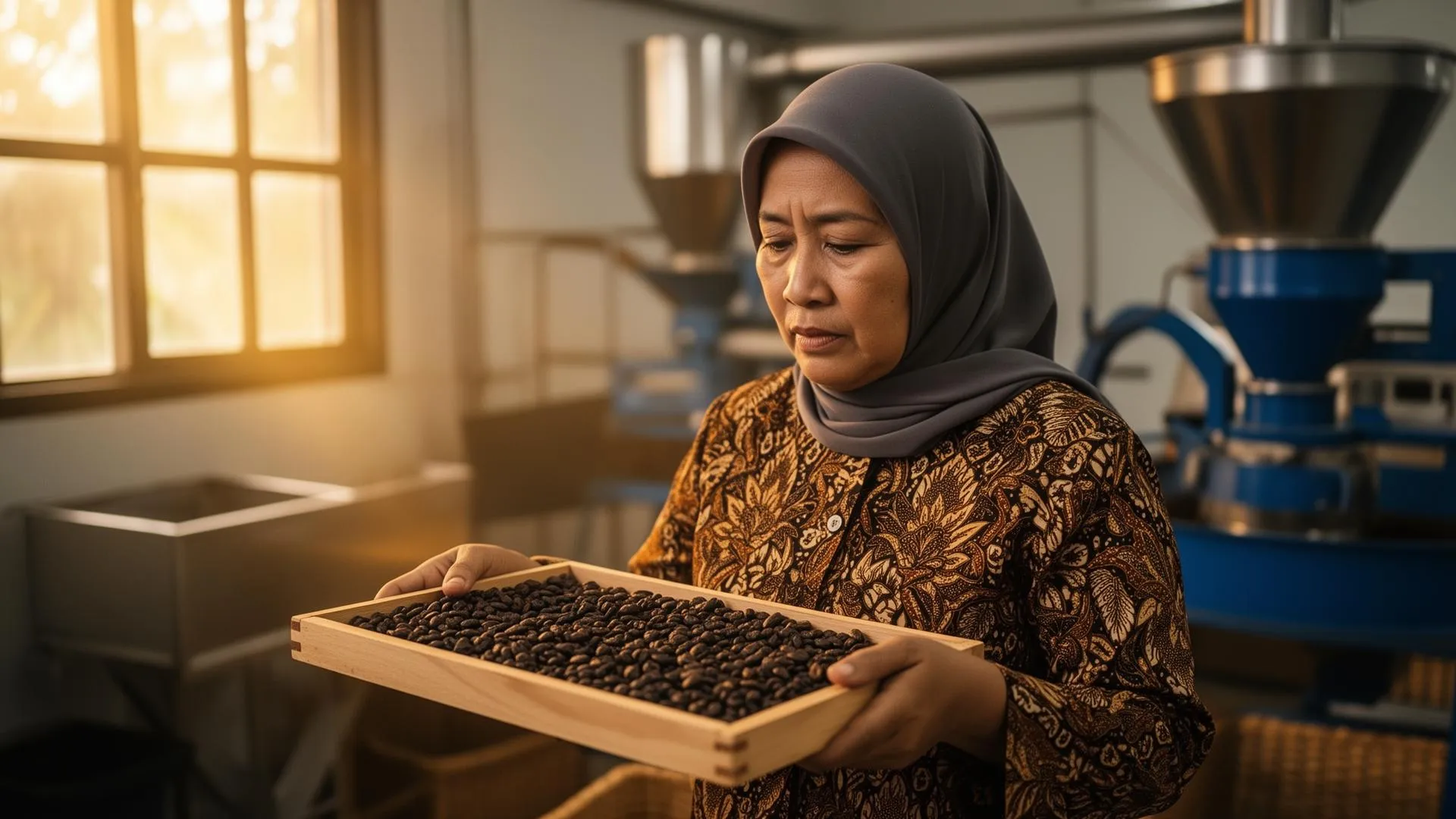
UMKM entrepreneur preparing premium beans for export channels.

PasarBaik

Impact supply aggregator.

PasarBaik aggregates philanthropic UMKM supply and matches it to domestic and export demand. It was built as a market mechanism, which is why sustainability is its operating model rather than a closing paragraph.

Function
Demand and supply matching
Reach
Domestic and export channels
Anchor
Aid for Trade pathway
Visit PasarBaik

Kementerian Perdagangan RI and multiple philanthropic partners

PasarBaik, Impact Supply Aggregator

Flagship initiative
Context
Post-program UMKM beneficiaries lacked consistent market access, which undermined the long-term value of the philanthropic investment.
Our role
Operating partner for PasarBaik.com, the aggregation mechanism matching philanthropic UMKM supply to domestic and export demand.
Delivery scope
Supply aggregation, quality and compliance readiness, market facilitation, and off-take coordination across several commodities.
Exit and sustainability
Built as a market-based mechanism from the start, so sustainability is the operating model rather than an afterthought.

Impact signal. Philanthropic UMKMs aggregated into domestic and export pathways under the Aid for Trade framework.

Circular economy and waste management

A demonstration model for environmental program viability.

A financially viable model that shows end-to-end delivery capacity with a clear pathway to independent local management.

Our triple role

  • 01 Program implementer
  • 02 Waste management operator
  • 03 Off-taker of processed material

Holding all three roles is what keeps the risk off the partner.

Strategic relevance. A demonstration model proving that environmental programs can be operational, economically viable and responsibly exited.

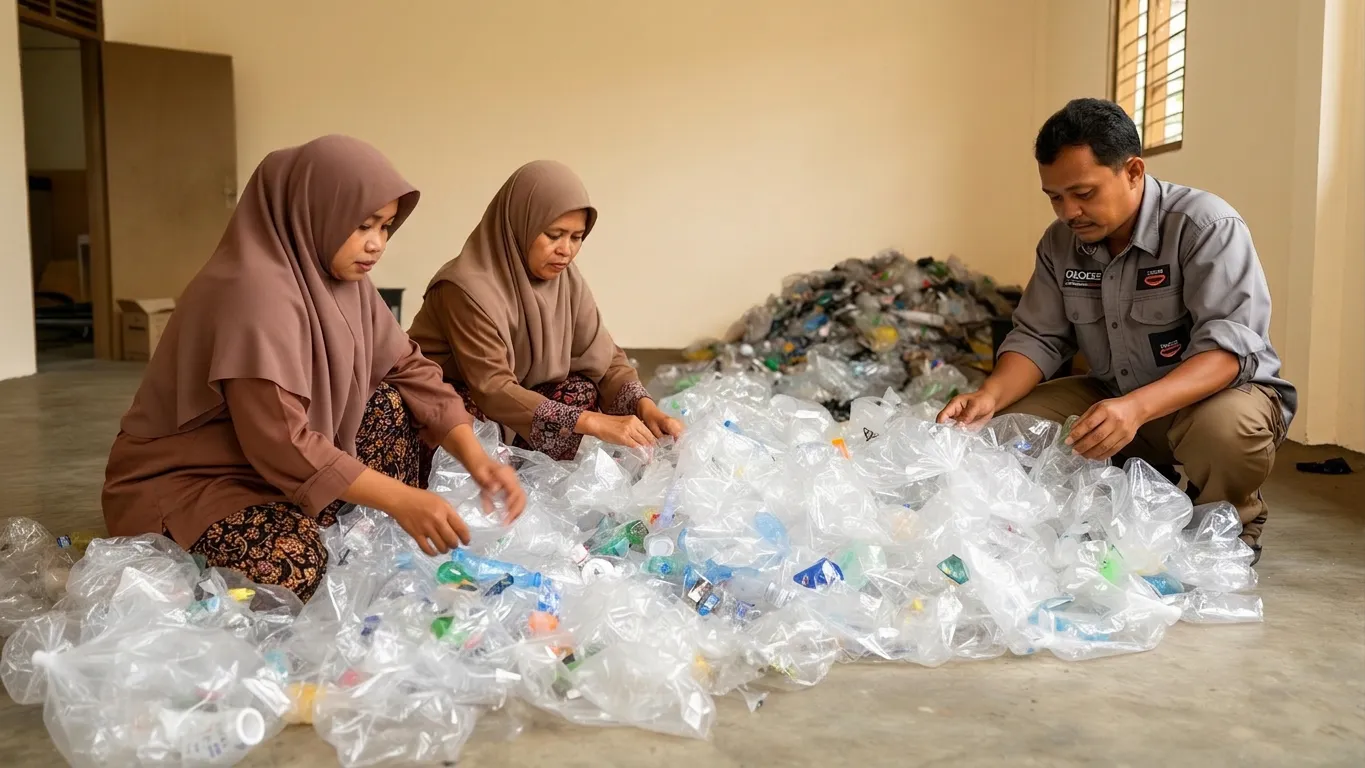
Community waste-bank staff sorting recyclable plastics.

BRI Life, AKSATA and MB Group

Circular Economy and Waste Management Initiative

Flagship initiative
Context
Environmental programs are usually treated as time-limited interventions rather than as systems that need to pay for themselves.
Our role
Three roles at once: program implementer, waste management operator, and off-taker of processed material, which keeps partner risk low.
Delivery scope
Community drop points, waste bank and cooperative strengthening, plastics- to-granules processing, and industrial off-take channels.
Exit and sustainability
Independent management transferred to local cooperatives and waste banks, with off-take demand from industry partners still in place.

Impact signal. A demonstration model showing environmental programs can be operational, economically viable and responsibly exited.